Plan Ahead And Be Strategic
- Create a Budget and Track Spending: Determine how much you currently spend and set a realistic weekly or monthly budget for food.
- Plan Meals & Make a List: Before shopping, check your pantry and fridge inventory and plan meals around existing ingredients. Make a shopping list based on your meal plan and stick to it to avoid impulse buys.
- Never Shop Hungry: Shopping on an empty stomach makes you more susceptible to impulse purchases of tempting, often unhealthy, snacks and prepared foods.
- Cook at Home: Preparing meals from scratch using basic ingredients is significantly cheaper than eating out or buying pre-packaged convenience foods.
- Consider Curbside Pickup: Shopping online and using curbside pickup can help you avoid the temptation of in-store displays and keep a running total of your expenses as you shop.
Smart Shopping Techniques
- Compare Unit Prices: Look at the price per unit (e.g., per ounce or pound) rather than the total package price to determine the best value across different brands and sizes.
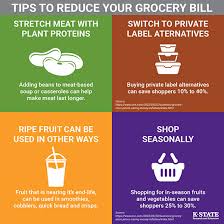
- Buy Generic Brands: Store or generic brands are often the same quality as name brands but are priced lower.
- Shop Sales and Seasonal Produce: Plan meals around weekly sales flyers and buy fruits and vegetables that are in season, as they are typically cheaper and fresher.
- Join Loyalty Programs & Use Apps: Sign up for free store loyalty programs to access member-only discounts. Utilize rebate and coupon apps, such as Ibotta or Flipp, for additional savings and cash back.
- Buy in Bulk Strategically: Buying non-perishable items or freezable meats in bulk can save money per unit, but only if you will use the items before they spoil.
Minimize Waste & Maximize Food Life
- Store Food Smartly: Learn the best ways to store different foods (e.g., specific fridge zones) to extend their shelf life.
- Freeze Excess Food: Proactively freeze items like meat, bread, or even aging produce (for smoothies or stocks) before they go bad.
- Repurpose Leftovers: Normalize eating leftovers for lunch or repurpose ingredients into new meals to ensure everything you buy is consumed.
- Make Homemade Stock: Save vegetable trimmings and meat bones in a container in your freezer to make flavorful homemade stock, which saves money on pre-made broths.csdcsdcsd
Comments (1)
Leave a Comment
Please login to leave a comment.